About This Project
This project aims to improve irrigation efficiency in Ethiopia’s critical Upper Awash region by introducing climate-smart water management using remote sensing. It addresses outdated practices, unreliable climate data, and rising climate stress. By integrating real-time data and local conditions, the study will develop and validate resilient irrigation strategies to enhance productivity in this key agricultural zone.
Ask the Scientists
Join The DiscussionWhat is the context of this research?
The Upper Awash Basin in Ethiopia is a major agricultural zone, supplying food to urban centers and supporting national economic growth. However, the region faces increasing pressure from climate change, water scarcity, and inefficient irrigation practices. Smallholder farmers often lack access to modern water management tools, leading to crop losses and resource conflicts. This project aims to address these challenges by introducing climate-smart, remote sensing–based irrigation solutions. By combining field data with satellite observations, it seeks to optimize water use, improve crop yields, and support sustainable livelihoods. The study aligns with national priorities in food security, climate resilience, and sustainable development.
What is the significance of this project?
This study is significant as it addresses critical challenges in Ethiopia’s agriculture inefficient irrigation, climate stress, and water scarcity particularly in the Upper Awash Basin, a region vital for national food production. By integrating climate-smart irrigation strategies with remote sensing technologies, the study offers scalable solutions to enhance water productivity and reduce resource conflict among users. Its findings will support policymakers, extension workers, and farmers by providing data-driven recommendations for sustainable irrigation management. Ultimately, the project contributes to food security, climate adaptation, and economic development, directly aligning with Ethiopia’s national and regional priorities.
What are the goals of the project?
The project aims to assess climate change impacts on irrigation and improve water use efficiency in the Upper Awash region using remote sensing tools like Landsat 8 & 9 and Sentinel-2 to monitor evapotranspiration, vegetation health, and land surface temperature. We will develop a regression model integrating remote sensing and field data to support predictive irrigation management. Field experiments with 30–40 farmers across diverse agro-ecological zones will test climate-smart irrigation practices, comparing traditional and sensor-based methods. Sustainable water management practices, including optimized scheduling and deficit irrigation, will be promoted, tailored to climate variability and farmers’ knowledge to enhance food security and resilience in the Upper Awash basin.
Budget
The proposed budget includes key items vital for the success of this climate-smart irrigation study. Data collection ensures accurate assessment of water use and climate impact. Travel enables on-site monitoring, stakeholder engagement, and validation of remote sensing data. Material purchases like software, sensors and GPS tools are essential for reliable measurements. Labor costs cover field assistants and technical staff for effective data gathering and community interaction. I want this finding to be available to the scientific community and as an experience for similar communities beyond the study area, to this effect publication will play a significant role. Finally, a contingency budget protects the project from unexpected disruptions such as equipment failure or price hikes. Together, these components ensure scientific rigor, practical relevance, and smooth execution of the study in Ethiopia’s Upper Awash region a key agricultural zone critical to national food security.
Endorsed by
 Project Timeline
This project is expected to be implemented starting from September 2025 and continue till the harvesting time usually February 2026. This time is selected because the study must be conducted when the actual irrigation activity is practiced in the area for catching the actual practice. Moreover, to have a practical understanding of the challenges and further discuss and demonstrate to the stakeholders about the improved practices that will be produced at the end of the study.
Aug 12, 2025
Project Launched
Oct 30, 2025
Scheme and farmer plots identification for activity evaluation
Oct 31, 2025
Actual crop evaporation (ETa) estimation using standard penman methods with average available climate data and real time remote sensing data
Oct 31, 2025
Enumerators training and data collection
Jan 01, 2026
Field experiment, Irrigation data collection and data analysis
Meet the Team
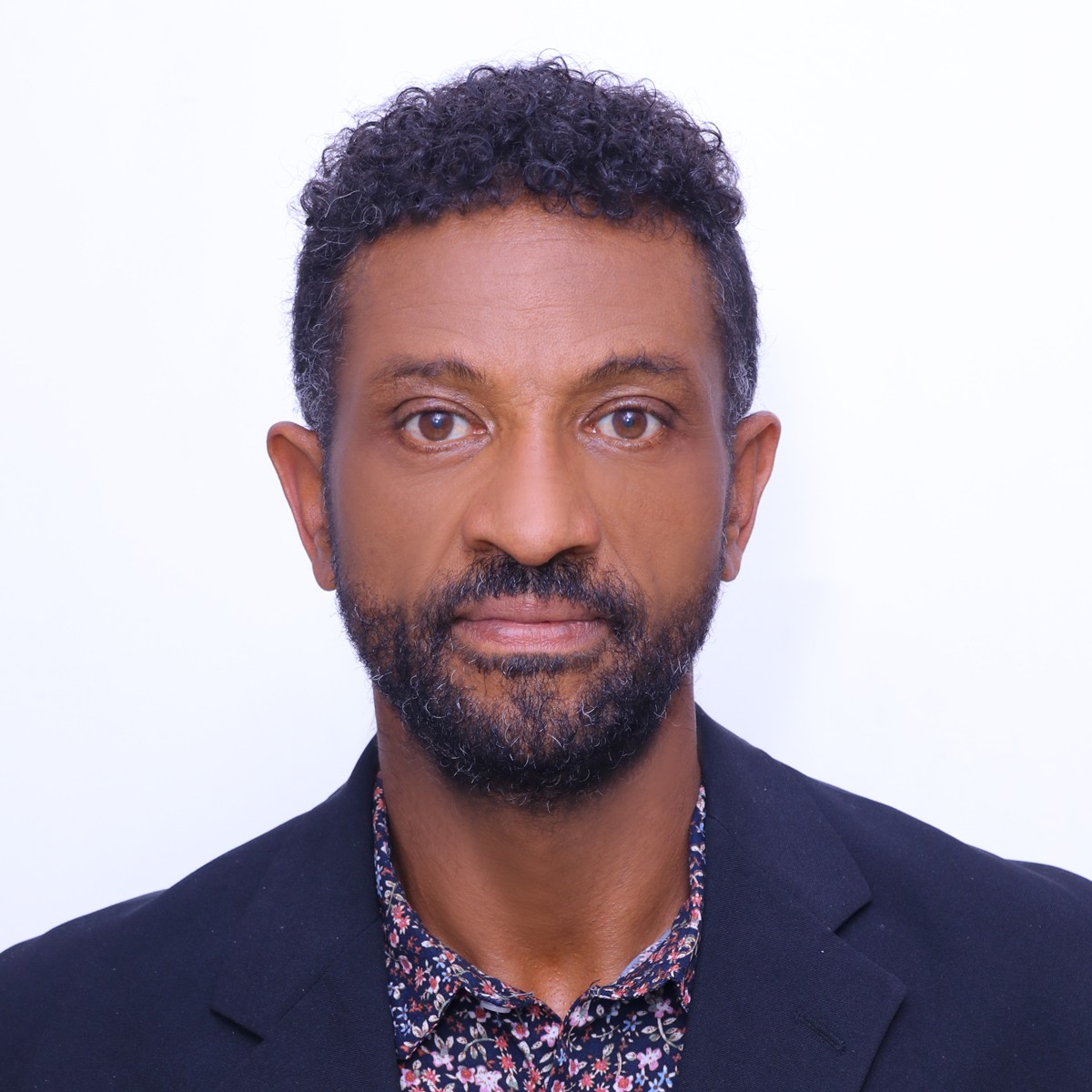

Team Bio
Our team is well organized and technically qualified to carry out this experiment in Upper Awash. We are trained and certified in irrigation engineering, water management, and remote sensing core areas essential for the project's success. Additionally, we are supported by other professionals who will contribute on a temporary basis as needed to strengthen the work with specialized expertise.
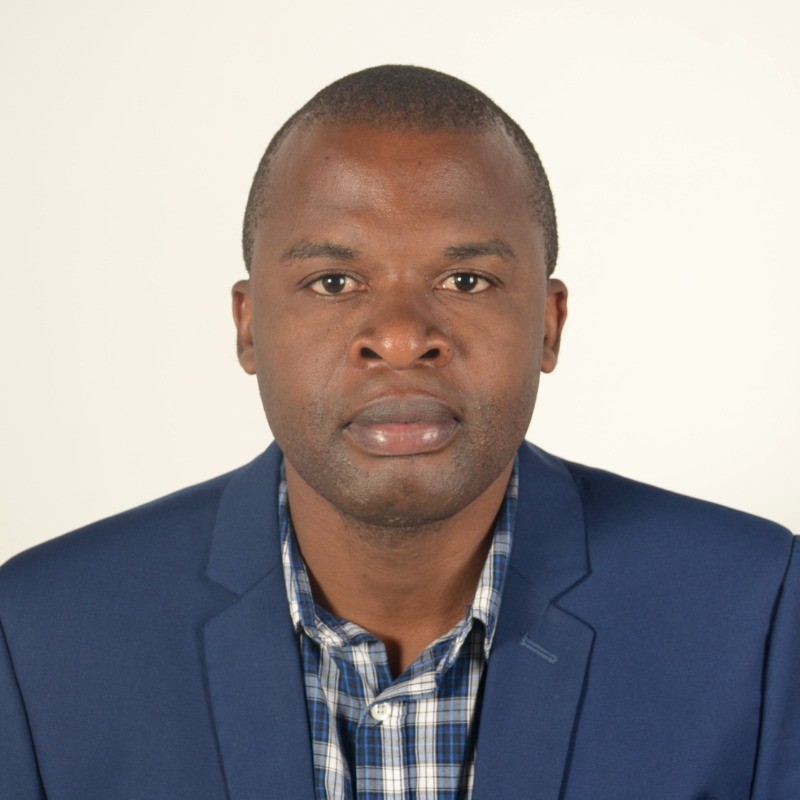
Mesfin Mitiku Feleke
Mesfin Mitiku Feleke is a PhD candidate in Water Resources Engineering (Irrigation Engineering and Management) at Addis Ababa University, specializing in water resources, climate change, remote sensing, AI, and GIS. Born in Kombolcha, Ethiopia, in 1972, he has over 29 years of experience in natural resources and irrigation engineering, contributing significantly to Ethiopia’s development.
His career spans roles as an expert, environmentalist, researcher, and lecturer, focusing on water, soil, food security, and climate change. He holds a BSc in Agricultural Engineering from Haramaya University (1994) and an MSc in Water Resources Management from Leuphana University, Germany (2006). His PhD research integrates irrigation water management, remote sensing, GIS, and digital platforms to develop sustainable, climate-resilient irrigation systems.
Mesfin has received international training at Wageningen University (Netherlands), Volcani Center (Israel), Cairo Egypt, Boeau Cameron, Kigali Rwanda and Oldenburg University (Germany). He successfully organized the DAAD-sponsored regional workshop on Climate Change and Water Resources (May 2024) and participated in a training in Green Economy Innovation (Egypt, 2024).
Fluent in English, German, and Amharic, with working proficiency in Tigrigna and Oromiffa, Mesfin actively participates in global forums, including the 2024 eLearning Symposium in Kigali, Rwanda.
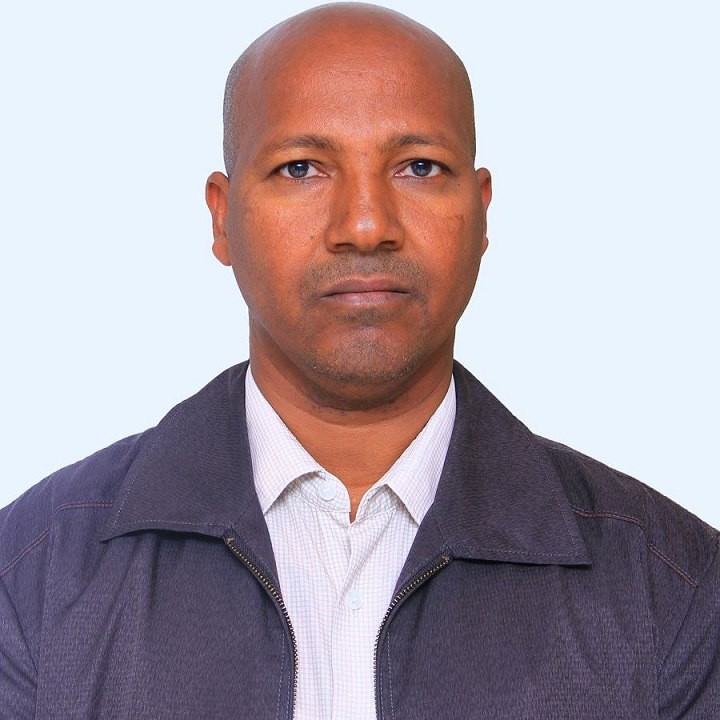
Ermias Tilahun
Agroforestry and natural resources researcher.
Additional Information
I am Mesfin Mitiku Feleke, a researcher with over 25 years of experience in irrigation engineering and water resources management in Ethiopia. Our team is launching a climate-resilient irrigation project in the Upper Awash Basin a region facing severe food insecurity due to outdated irrigation practices and climate change.
This project will apply remote sensing tools and develop a real-data-driven model to improve water use in smallholder farms. With your support, we can fund essential fieldwork, equipment, and data analysis to bring this sustainable solution to life.
Be part of transforming Ethiopia’s food system one field at a time.
Project Backers
- 1Backers
- 2%Funded
- $100Total Donations
- $100.00Average Donation