
Mar 30, 2021
98
0
4


 Ascanio Rojas A., Alejandro David Bonive Boscan, and 2 others like this.
 Please wait...
About This Project
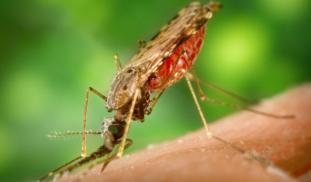
Artemisinin-based treatments (ACTs) are the main treatment used to handle the malaria disease produced by P. falciparum, but recently evidence shows that some strains of P. falciparum are less susceptible to ACT. We will reanalyze data of transcriptomic and metabolomic approaches available about strains of P. falciparum that have resistance to ACT. The goal is to build metabolic pathways that can explain how the parasite tolerates oxidative stress caused by artemisinin.

Browse Other Projects on Experiment
Related Projects
Shutting down cancer’s recycling system with exosome-based therapy
Pancreatic cancer is one of the deadliest cancers because its cells survive by recycling their own components...
Developing a novel oxysterol antibiotic to combat drug-resistant tuberculosis
Drug-resistant tuberculosis (TB) is a consistently growing threat to global health. We have developed Oxy291...
Tote-Size portable incubator for rapid field work
Waiting for lab results is slowing science down! We are designing a fully open source portable incubator...
