About This Project
The Ballona Wetlands are the largest wetlands in Los Angeles. Within the last 80 years urbanization has decreased the size of the wetlands from 2000 to 600 acres. Bacterial biodiversity within an ecosystem is a strong indicator of ecological stress. The goal of this project is to annually collect, analyze and publish the bacterial biodiversity within the wetlands. We hypothesize that bacterial biodiversity will decrease near areas of urbanization, reflecting higher ecological stress.
Ask the Scientists
Join The DiscussionWhat is the context of this research?
The Ballona Wetlands have 5 distinct ecological areas: saltwater marsh, freshwater marsh, riparian corridor, sand dunes and bluffs. Using environmental DNA (eDNA) collected in soil samples as a non-invasive method provides a comprehensive method to understand the distribution of the wetlands rich biodiversity. Bacteria are essential drivers of global biogeochemical cycles, and their activity can be measured to understand ecological processes. eDNA data sampling provides a comprehensive view of all the bacterial species present in a given area. By collecting soil samples, we can determine the health of the wetlands through the monitoring of bacterial populations. We hypothesize that bacterial biodiversity will decrease near areas of urbanization, reflecting ecological stress. We will also include an educational component to this project by incorporating freshman students from the University of Southern California.
What is the significance of this project?
The significance of this project is the utilization of eDNA to monitor bacterial species distribution because it offers a non-invasive, cost-effective, large-scale data collection, and highly sensitive method to detect a wide range of species in a given area. This approach allows for broader, more efficient, and safer monitoring in challenging environments and provides a crucial snapshot of bacterial biodiversity, helping to establish baseline data and understand the impacts of environmental changes in The Ballona Wetlands. By tracking microbial diversity of time, we can determine how bacterial populations fluctuate with urbanization. Furthermore, we will train 50 undergraduate students each year to perform all parts of this project within a Course-Based Research Experience (CURE). This way, not only are we providing the public and researchers with significant data, but we are also educating young adults on the importance of environmental research.
What are the goals of the project?
There are 2 primary goals for this project. First, to provide an annually published record of the bacterial species within The Ballona Wetlands. Second, to annually train 50 undergraduate students on how to collect, analyze and publish ecological data that benefits both scientists and the public.
Budget
The (DNeasy) PowerSoil kit from Qiagen will allow us to isolate and extract environmental DNA from soil samples of the Ballona Wetlands. The 16S Barcoding Kit from Oxford Nanopore Technologies (ONT) is a specialized library preparation kit whose purpose is to facilitate identification and profiling of bacteria (and sometimes other microbes) by sequencing the full-length 16S rRNA gene in a multiplexed fashion. The MinION flow cell from Oxford Nanopore Technologies (ONT) is a critical consumable component in nanopore sequencing. Its purpose is to host the nanopore sensors and enable the physical measurement of DNA (or RNA) molecules as they pass through nanopores. The ONT minion sequencing flow cell is used to identify the exact sequences of the rRNA gene. By identifying the exact rRNA sequences of the 16s gene, we can specifically identify which bacterial populations are present in the Ballona Wetlands of Southern California.
Endorsed by
 Project Timeline
The project is proposed as a two-semester course-based undergraduate research experience (CURE) for students. During Fall semester, eDNA soil and sediment samples will be collected via the non-invasive method at a geotagged location. eDNA is extracted, purified, amplified, and indexed. This DNA will then be sequenced using the Oxford Nanopore sequencer. During the Spring semester, students will use Bioinformatic software programs to analyze the sequencing data.
Oct 13, 2025
Collect eDNA samples from The Ballona Wetlands.
Oct 24, 2025
Project Launched
Nov 05, 2025
Project Launched
Dec 06, 2025
DNA extraction, PCR amplification, and sequencing (Oxford Nanopore) will be completed on the eDNA samples.
Apr 01, 2026
Bioinformatics analysis of DNA sequences. Using Bioinformatics software programs to identify the species specific organisms based on DNA sequencing data.
Meet the Team

Rory Spence
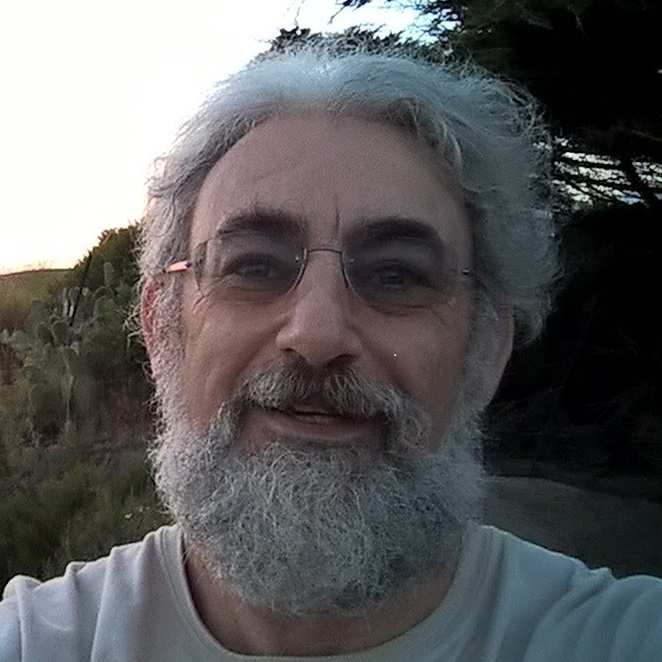
Rory Spence studied Biology and Music at UC Davis as an undergraduate student. He then received an MS degree in Physiological Sciences from UCLA. Thereafter he received a PhD in Molecular Cellular and Integrative Physiology from UCLA. He currently is an Associate Professor in both the Department of Biological Sciences and the Department of Quantitative and Computational Biology at USC. Rory Spence has created 6 new courses and taught 12 different courses within the Dornsife College at USC since being hired in 2018.
Nancy Castro
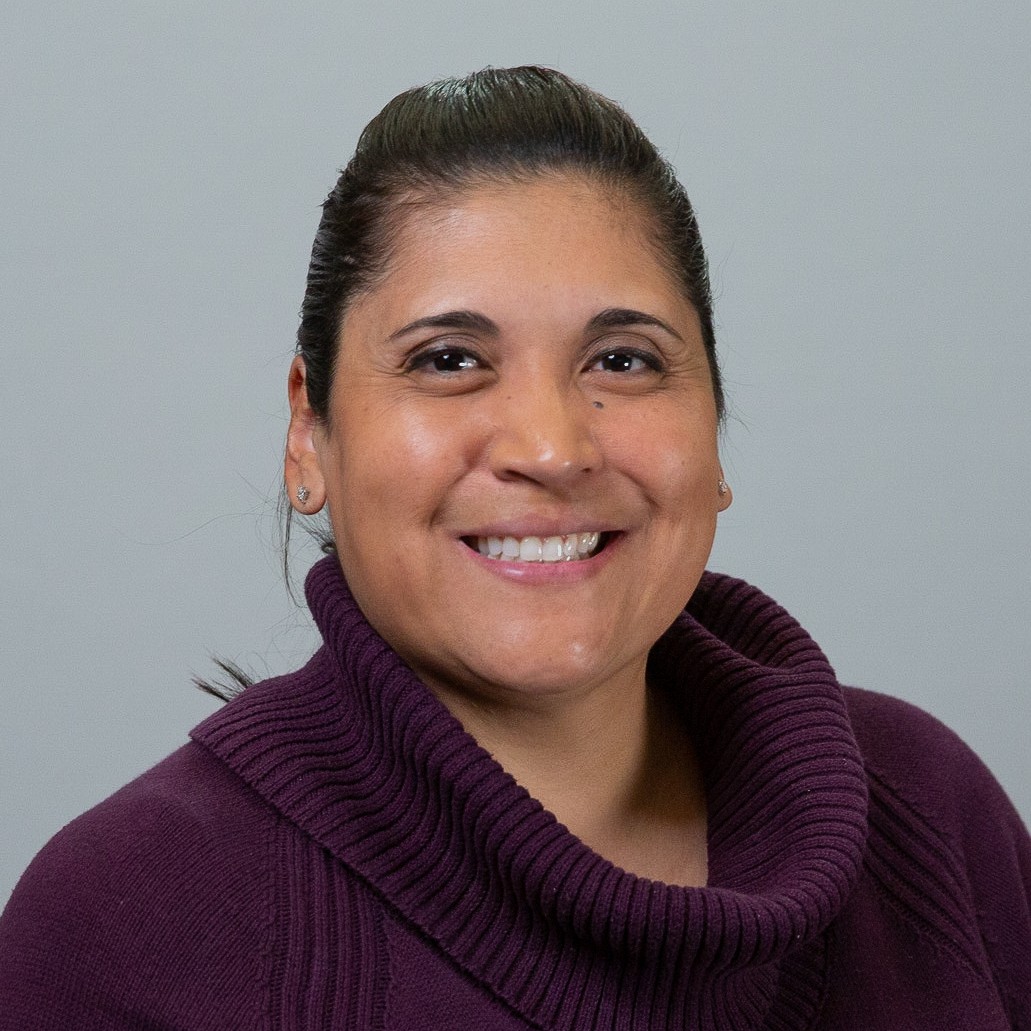
Nancy Castro received her BS in Biology from the University of LaVerne, followed by an MS in Biology from Cal Poly Pomona. Thereafter, she received her PhD from the University of Minnesota, Twin Cities, in Pharmacology with an emphasis in Molecular Biology. The focus of her graduate research was on breast cancer and signal transduction pathway activation by a specific protein known as breast tumor kinase. Upon completion of her PhD, she moved back home to southern California and pursued a post-doctorate position at City of Hope in Duarte, CA. Her post-doctorate focused on Diabetes research, specifically, looking at miRNAs and their dysregulation in promoting Diabetic Nephropathy. After four years as a post-doc, Nancy started teaching at USC in the Biological Sciences department in 2014, where she now teaches lower and upper division biology courses such as General Biology, Biochemistry and Molecular Biochemistry, as well as teaching biology laboratory courses.
Lab Notes
Nothing posted yet.
Project Backers
- 3Backers
- 107%Funded
- $2,155Total Donations
- $718.33Average Donation