About This Project
Textile-based wet filters with immobilized carbonic anhydrase enable creating new kinds of reactors that accelerate CO2 gas removal directly from air by conversion to dissolved bicarbonate and results in faster ultimate carbonate mineralization when process liquids are combined with naturally sourced metal cations and alkalinity. This project aims to explore and integrate these steps into a simple, scalable, sustainable process for greenhouse gas removal.
Ask the Scientists
Join The DiscussionMotivating Factor
Atmospheric carbon dioxide removal and point-source carbon capture technologies are well-accepted as being necessary for meeting climate goals [1]. Weathering of alkaline minerals in the environment naturally generates alkalinity that draws ~0.3 GtCO2/yr from the atmosphere and converts it to solid carbonates or (bi)carbonates which are transported to the ocean and stably stored [2][3]. Enhanced rock weathering (ERW) technology seeks to accelerate alkaline mineral dissolution for carbon storage by grinding minerals to increase reactive surface area and exposing them to weathering conditions [4][5]. CO2 from the atmosphere provides the acidity for carbon to react with alkaline minerals to form mineral carbonates. A core challenge of ERW is cost-effectively increasing mineral dissolution kinetics to enable scaling [6].
Specific Bottleneck
Microbes can accelerate mineral weathering [7][8][9], for example through chelation by siderophores [10], chelation by organic acids [11][12], oxidoreductive chemolithotrophy [13][14], or prevention of surface passivation [15][16]. ERW in bioreactor systems has been proposed, wherein microbes or their exudates would accelerate alkaline mineral dissolution to absorb and store concentrated CO2 streams [17][18][19], possibly in concert with valuable metal recovery [17][20]. Carbonic anhydrase (CA)-producing microbes plus Ca2+ were able to bind rare earth elements (REE) by a carbonate cementation process [21] and REE were removed from acid mine drainage by microbe induced carbonate formation, reliant on CA activity [22]. Thus, microbes and their CA enzymes could play a larger role CO2 removal and REE recovery. However, integrated bio-reactor-based CO2 mineralization process feasibility is yet to be demonstrated and assessed for TEA and LCA viability.
Actionable Goals
Grinding rocks to absorb CO2 presents technoeconomic challenges. While seeding such materials with microbes to accelerate weathering helps the process, other approaches could be possible. Some researchers have explored the role microbial carbonic anhydrases (CA) play in the weathering process [23] and attributed the CA-catalyzed conversion of CO2 to carbonic acid as a critical step in converting alkaline mineral silicates into mineral carbonates, thereby trapping CO2 in a solid form. Other researchers [24] found that isolated CA accelerated brucite [Mg(OH)2] carbonation to Nesquehonite [MgCO3·3H2O], but that CO2 supply was limiting. This concept should be further explored by: 1) pairing naturally abundant alkaline earth metal sources, such as minerals, brines or seawater with available alkaline sources and 2) developing reaction processes wherein CO2 supply is not limiting, maximizes the CA-catalytic benefit, occurs continuously, and simplifies materials handling.
Budget
N/A
Meet the Team
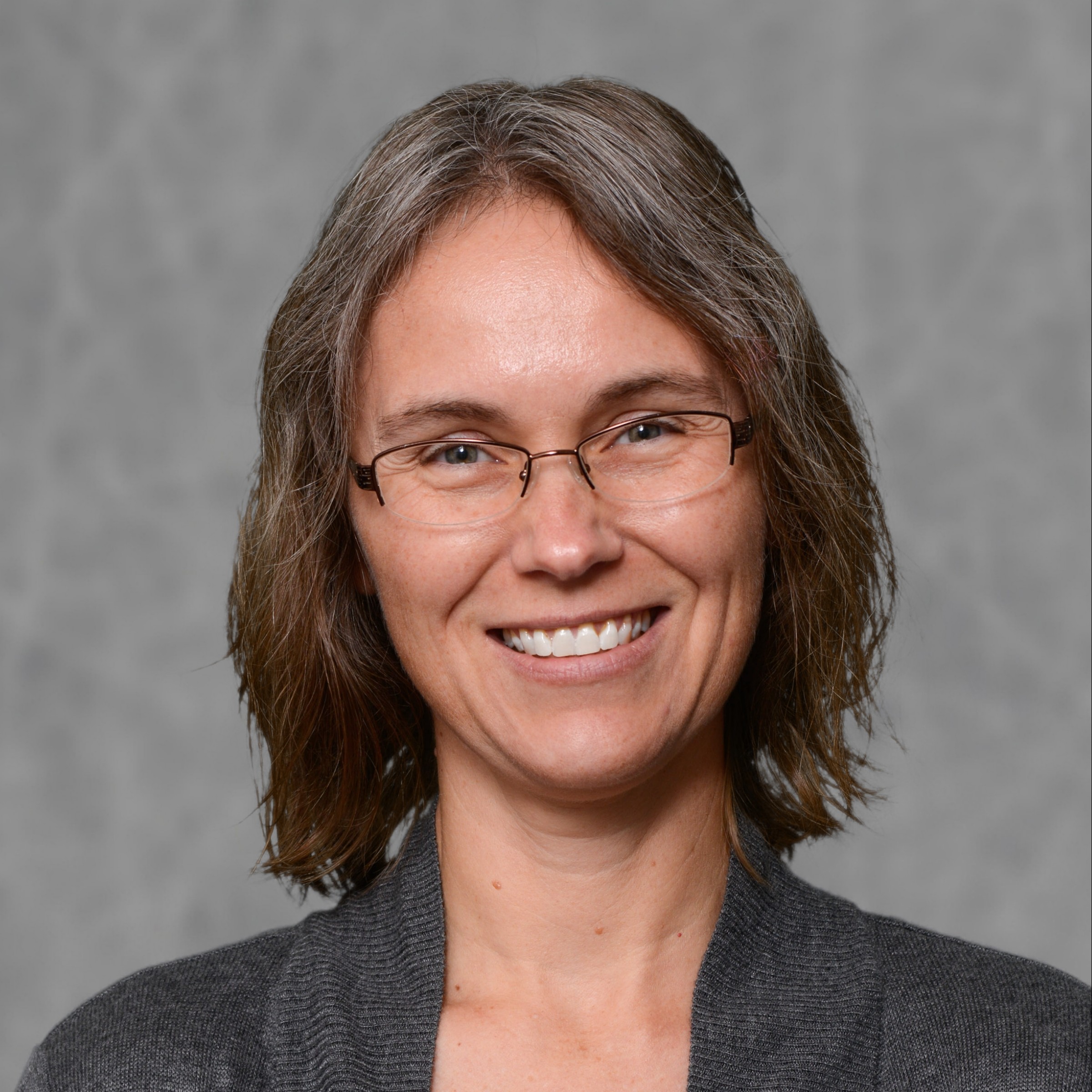

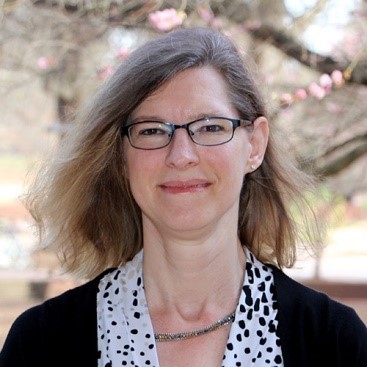
Affiliates



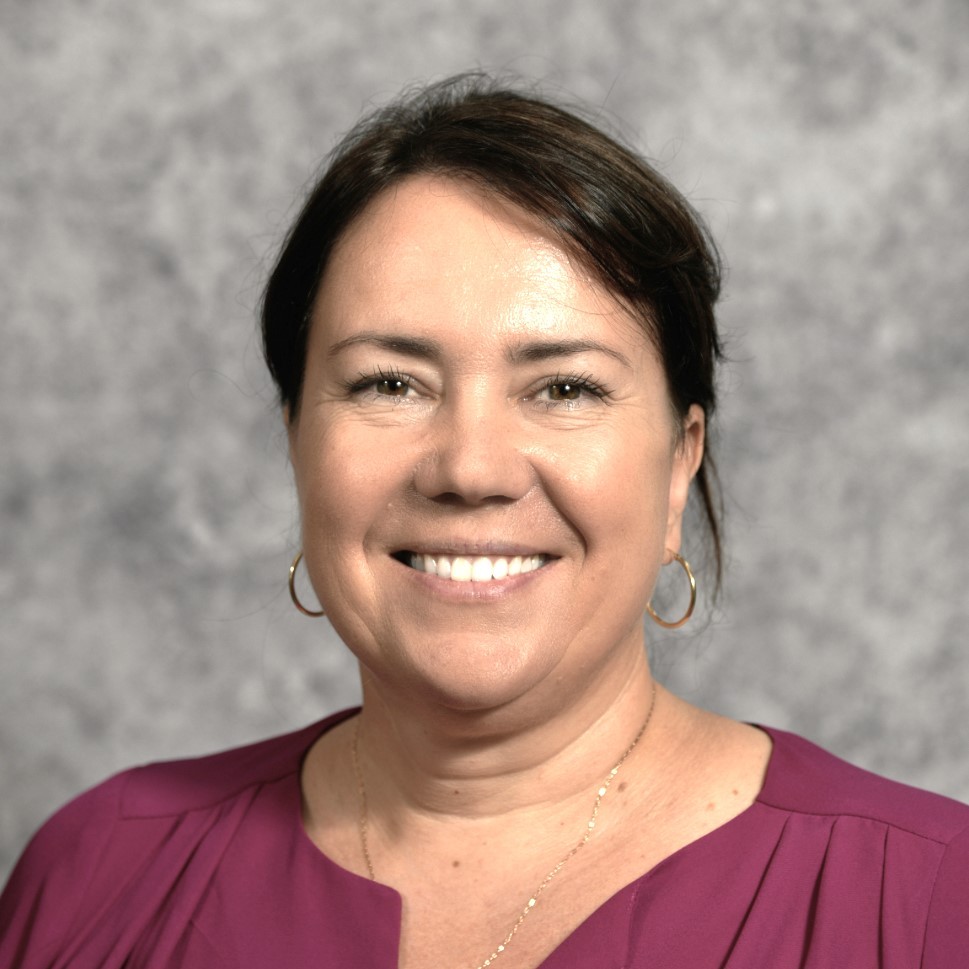
Affiliates

Affiliates

Team Bio
Ours is a multi-disciplinary team made up of members from different departments across NC State University campus - all excited and motivated to use our skills and collaborate in developing solutions to mitigate the impacts of climate change.
Sonja Salmon
Leads the Textile Biocatalysis Research team, which develops new materials and processes at the intersection of fiber and polymer science and enzymology, including biobased textile waste recycling and a special focus on developing biocatalytic textiles for CO2 capture. Also leads the Novo Nordisk Foundation (NNF) funded Biocatalyst Interactions with Gases (BIG) Collaboration that is working to uncover new biology-based methods for CO2 management and sustainable fertilizer production.
Jialong Shen
Member of Dr. Salmon's Textile Biocatalysis Research Team. Polymer and fiber scientist working in the enzymatic CO2 capture and utilization space.
Amy Grunden
My research focus is the physiology and biotechnological application of beneficial microorganisms for crop improvement, carbon capture and soil health and sustainable agriculture. My lab group has developed the use of microbes and microbial enzymes for crop improvement, biofuel production, next-generation fertilizer production, and bio-decontamination. I am currently leading the Novo Nordisk Foundation (NNF) funded Collaborative Crop Resilience Program which is focused on harnessing plant microbiomes to enhance crop resilience. I am also an investigator on the NNF-funded Biocatalyst Interactions with Gases (BIG) Collaboration led by Dr. Sonja Salmon which is focused on developing scalable immobilized enzyme systems for carbon capture and nitrogen fixation.
James Lichty
Postdoctoral Research Scholar in the Department of Chemical and Biomolecular Engineering
Youngwoo Hwang
PhD student in the Fiber and Polymer Science program and member of Dr. Salmon's Textile Biocatalysis Research team
Albert Kwansa
Member of the Yingling Research Group working in the area of computational materials science. We employ molecular simulation techniques, materials informatics approaches, and high-performance computing to investigate various soft materials and interfaces.
Nathan Crook
The Crook Lab develops new high-throughput experimental and computational genetic engineering techniques. In doing so, we hope to uncover novel biological phenomena and accelerate applied research and development in the broad areas of metabolic engineering, synthetic biology, and microbial ecology.
Yaroslava G. Yingling
I lead an interdisciplinary research team that focuses on the development and applications of innovative multiscale molecular modeling methods and data-science approaches for investigations of the properties of soft and biological materials. Our projects span a range of areas, including biomolecular and nanoparticle self-assembly, surfaces and interfaces, the ab initio design of nanomaterials for industrial and pharmaceutical applications, de novo biomolecular structure prediction, enzyme engineering, the properties and responsive behavior of functional hierarchical materials, and the application of artificial intelligence tools to analyze heterogeneous materials characterization data.
Merve Fedai
I perform computational modeling and molecular dynamics simulations to explore the behavior of complex functional materials. My work involves studying protein interactions, enzyme dynamics under varying conditions, and graphene-based systems with tunable properties. Using multiscale modeling and data-driven approaches, I investigate self-assembly processes, surface interactions, and structure-property relationships to gain insights into material performance in biochemical and industrial applications.
Greg Buhrman
I am a protein biochemist with a background in protein crystallography and structural biology. My current research interest is focused on adapting enzymes from extremophiles for biomanufacturing use. Carbonic anhydrase from the psychrohalophile Photobacterium profundum, 2-Oxoglutarate carboxylase from the thermophile Hydrogenobacter thermophilus and Acetoacetyl-Coenzyme A: Acetate Conenzyme A Transferase from Thermosipho melanesiensis are three enzymes in this research area I have worked and published on recently.
William Sagues
Department of Biological and Agricultural Engineering
Project Backers
- 0Backers
- 0%Funded
- $0Total Donations
- $0Average Donation