About This Project
The Guana River Estuary in northeast Florida is impaired due to excess nutrients, which can fuel eutrophic algal blooms. Oysters naturally filter estuaries, but modern data is limited. This project aims to reconstruct a longer history of oysters using the preserved shells within living reefs. The goal is to quantify how much oysters were capable of filtering in the past compared with today, providing a long-term perspective to inform what oyster restoration decisions are feasible.
Ask the Scientists
Join The DiscussionWhat is the context of this research?
The Guana River Estuary has been labelled an Outstanding Florida Waterbody, meaning it is worthy of special protection because of its natural attributes. However, today the Guana River Estuary is considered ‘impaired’ due to excess nutrients. As a result, eutrophication and harmful algal blooms threaten the environment, species, human health, and local recreation within the estuary.
Shellfish restoration, including oysters, offers a potential solution due to their natural filtration capabilities. Reconstructing the recent history of oyster filtration in Guana River will provide a longer timeline of information to help inform what restoration options are feasible to address water quality concerns.
Rewards for funding pledges:
*All donors will receive project updates and copy of published papers*
If you donate $100 or more, you will be invited to a group Zoom project presentation!
If you donate >$1,000, I will schedule a personal one-on-one Zoom presentation and discussion with you!
What is the significance of this project?
The absence of long-term oyster records is a common problem for resource managers.
The Historical Oyster Body Size (HOBS) project was a collaboration between the Florida Department of Environmental Protection and the Paleontological Research Institution in Ithaca, NY, and an initial pilot study to apply the preserved record of buried shells within living oyster reefs to extend the baseline of information further into the past. HOBS hand-collected oyster shells down to 35cm depth, which for the Guana River, only extended information to 1999.
I tested a vibracore method to collect 5-10ft cores of the oyster reefs in Guana River to extend the baseline even further into the past. I'm working to measure oyster size and estimate historical density to ultimately quantify how much filtration the oysters were capable of over time. This project would provide an example for how to apply these methods in other areas where oyster reefs exist to address similar information gaps.
What are the goals of the project?
The goal is to use oyster size and density from the preserved past to quantify how much filtration Guana River oysters were capable of over time since the Guana River Marsh Aquatic Preserve was established in 1985. This will help inform decisions by managers at the Guana Tolomato Matanzas National Estuarine Research Reserve and identify feasible restoration options.
These funds will be used for the radiocarbon dating required for this project and to finish my PhD degree. If our funding target is reached, I will be able to send the samples immediately for analysis and expect to have results in a few months. I will have project conclusions in 2026.
Looking ahead, funding this project will also provide pilot results to inform a larger funding proposal to further test these methods and apply them at a larger scale. There is potential to apply them in other areas where oyster reefs exist to address similar environmental or climate change questions and information gaps.
Budget
To reconstruct the past, I must know how old the oyster shells are throughout my core samples. I've been using a method called radiocarbon dating, which measures the carbon content within an oyster shell to estimate the year it died. However, more dating is needed to provide accurate estimates over time. These analyses get expensive at $165 per shell. The more shells I can date, the better my estimates will be.
High chance of success: Samples are already collected and ready to analyze. The radiocarbon analyses have been tested, with preliminary results showing that oysters are accessible since the Guana River Marsh Aquatic Preserve was established in 1985.
What you are funding for $16k:
-Piloting novel methods to inform what oyster restoration decisions are feasible (applicable to anywhere oyster reefs exist)
-Results to support a larger NSF-style proposal
-Helping me finish my PhD
If funds exceed $16k:
-More analyses will enhance results
-Include more samples and reefs
Endorsed by
 Project Timeline
As soon as I reach this funding goal, I will be able to send my samples immediately to be radiocarbon dated. It will take a few months to analyze the samples and receive the age estimates. Then I will apply the ages to my oyster size and density data to quantify filtration over time (see methods).
Sep 05, 2025
Project Launched
Oct 31, 2025
Funding for radiocarbon dating secured
Nov 03, 2025
Shell samples mailed for radiocarbon dating analysis
Jun 30, 2026
PhD graduation!
Dec 31, 2026
Project results shared with all funders!
Meet the Team
Affiliates
Team Bio
I want to deeply thank everyone who has supported me and this work so far!
Funding Sources for project fieldwork, analyses, and presentations so far: Cornell Atkinson Sustainable Biodiversity Fund; Conservation Paleobiology Network; Conchologists of America; Geological Society of America; The Paleontological Society; The Guana Tolomato Matanzas National Estuarine Research Reserve
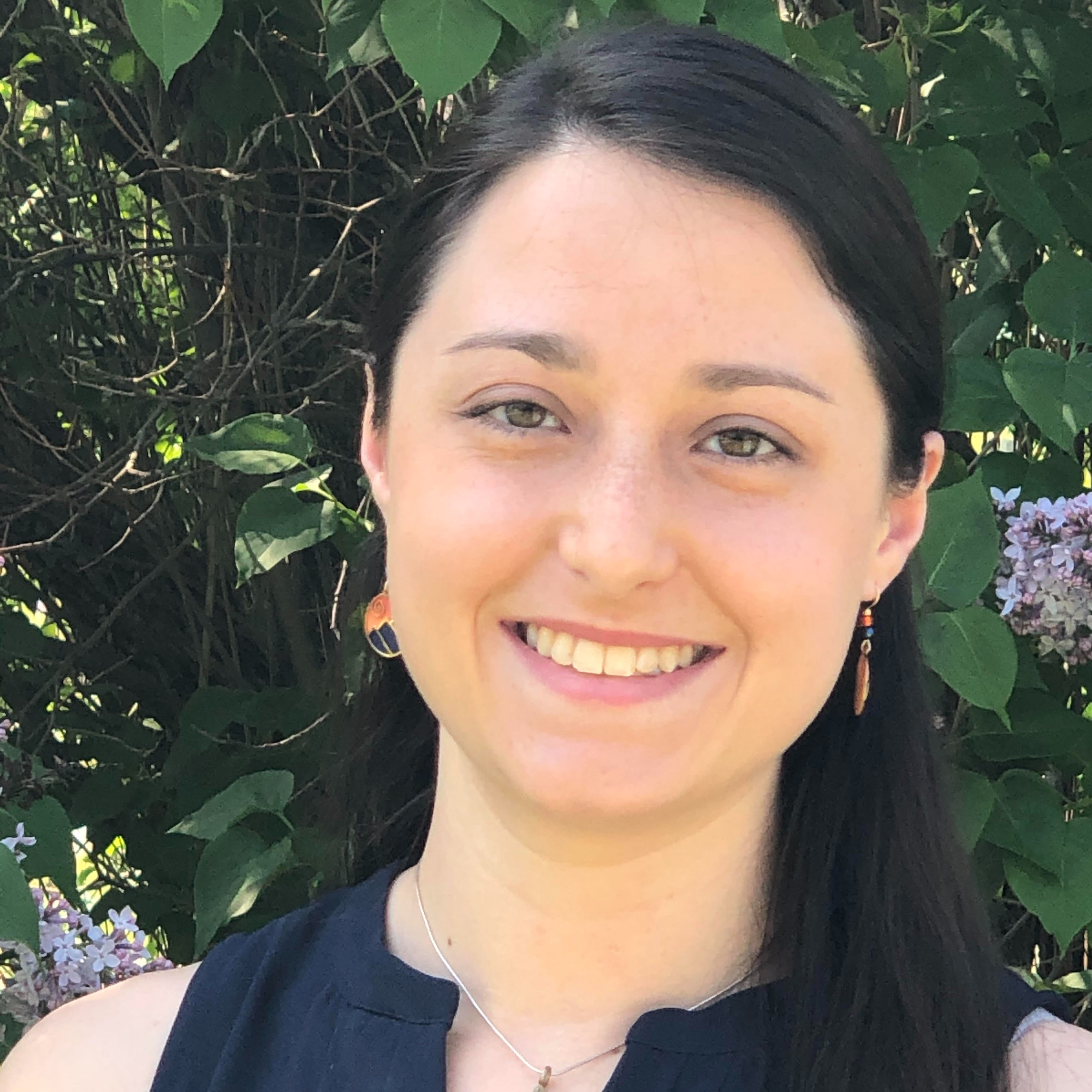
Jaleigh Goben
I am a paleontologist by training, but I apply my expertise towards modern conservation issues; a growing field called conservation paleobiology. For the last five years, I have been using the preserved buried shells within living oyster reefs to reconstruct the recent history of oysters in the Guana River, Florida, to restore environmental memory and inform management decisions. After spending several summers out on the reefs and learning about the local history and current water quality concerns, the Guana River Estuary has become meaningful to me, and I care about its future. I also have a passion for conservation storytelling and how we could tell a meaningful story about the Guana River Estuary that might resonate with the broader community.
In my free time, I love reading a good book in the sun, going for a run, cooking with my husband, and playing with my two cats, Petrie & Goose.
Visit my personal website to learn more about me and my projects: jaleighgoben.com
Additional Information
Visit this online exhibit for more information on historical oyster research: Conservation Paleobiology: Putting the dead to work.
Visit my personal website to learn more about me and my projects: jaleighgoben.com
Learn more about recent projects and information about the Guana River Estuary:
NOAA Science Collaborative-funded Budgets & Bivalves project.
Guana Tolomato Matanzas National Estuarine Research Reserve
ArcGIS storymap of GTMNERR Guana River Estuary
Recent drone scan of GTMNERR oyster reefs
Guana River Estuary impairments and restoration options
2019 Guana Water Quality Report
Guana River Estuary Water Quality (Dix et al., 2025)
Other resources and academic papers:
We've lost 85% of oyster reefs globally (Beck et al., 2011)
Oyster ecosystem services (Coen et al., 2007)
Oyster restoration to improve water quality in Chesapeake Bay, VA
The Billion Oyster Project is restoring oysters to NY Harbor
Project Backers
- 44Backers
- 103%Funded
- $16,511Total Donations
- $375.25Average Donation