About This Project
Global climate change requires solutions that reduce greenhouse gas emissions & recapture atmospheric carbon dioxide. Soils- the planet’s largest carbon reservoir- host critical microbial communities. Adding biochar & crushed rock cuts emissions & boosts soil carbon storage. However, highly accurate long-read genome-resolved metagenomic sequencing is needed to recover complete soil microbial genomes & elucidate their functions, advancing our understanding of microbial processes in amended soils.
Ask the Scientists
Join The DiscussionMotivating Factor
Enhanced rock weathering (ERW) and biochar soil amendments have enormous potential for carbon dioxide removal (CDR) while improving soil health and reducing greenhouse gas emissions. Meeting global CDR targets requires removing >10 Gt CO₂ annually by 2050 [1]. ERW (applying crushed rock to soils) could recapture 0.5-2 Gt CO₂ per year [2]. Similarly, biochar (pyrolyzed organic material applied to soils) has an estimated CDR potential of 0.03-6.6 Gt CO₂ per year [2].
However, large-scale deployment is constrained by a critical knowledge gap: the role of soil microbial communities in ERW and biochar stability [3,4,5]. Microbes drive greenhouse gas fluxes and carbon sequestration through respiration, methane oxidation, and mineral interactions; yet their influence on weathering rates, biochar degradation, and long-term carbon stability remains poorly understood. The lack of genomic data on microbial carbon sequestration hinders the optimization and scaling of these solutions.
Specific Bottleneck
Soil microbial communities are incredibly complex, with 10¹⁰cells and 10,000 species per gram of soil, yet only ~0.1% are cultured [1]. Despite their key role in ERW and biochar applications, microbial functions in these systems remain poorly characterized due to prohibitively high sequencing costs and data limitations.
Current soil microbial analyses rely on marker genes, which provide only relative abundance and genus-level taxonomy, missing functional insights. Metagenomics and metatranscriptomics have advanced soil microbial ecology [2]. However, high microbial diversity and soil complexity hinder genome recovery: <5% of soil metagenomic reads map to known soil genomes [3].
A dedicated microbial genome database for ERW and biochar soils does not exist. Long-read genome-resolved metagenomics offers a path forward but remains underutilized in field-based studies, leaving a critical gap in tracking microbial-driven weathering, biochar stability, and greenhouse gas emissions.
Actionable Goals
Construct the first comprehensive genome catalog of soil microbes in ERW and biochar-amended soils using long-read genome-resolved metagenomic sequencing, maximizing the recovery of high-quality, complete microbial genomes and extrachromosomal elements of bacteria, archaea, viruses, plasmids, and fungi.
1. Assemble this genome database using long-read metagenomic sequencing of soil samples from:
(a) a three-year ERW & biochar-amended soil experiment with paired biogeochemistry, metatranscriptomics, and real-time greenhouse gas flux data
(b) additional ERW & biochar field trials across diverse soil types.
2. Characterize metabolic pathways linked to mineral weathering, biochar stability, and carbon storage, integrating results with biogeochemical data.
3. Identify shared and unique microbial members and functional traits across ERW & biochar amendments, soil depths, and ecosystems over time, linking genomic potential to biogeochemical processes & greenhouse gas fluxes.
Budget
N/A
Meet the Team
Affiliates
Team Bio
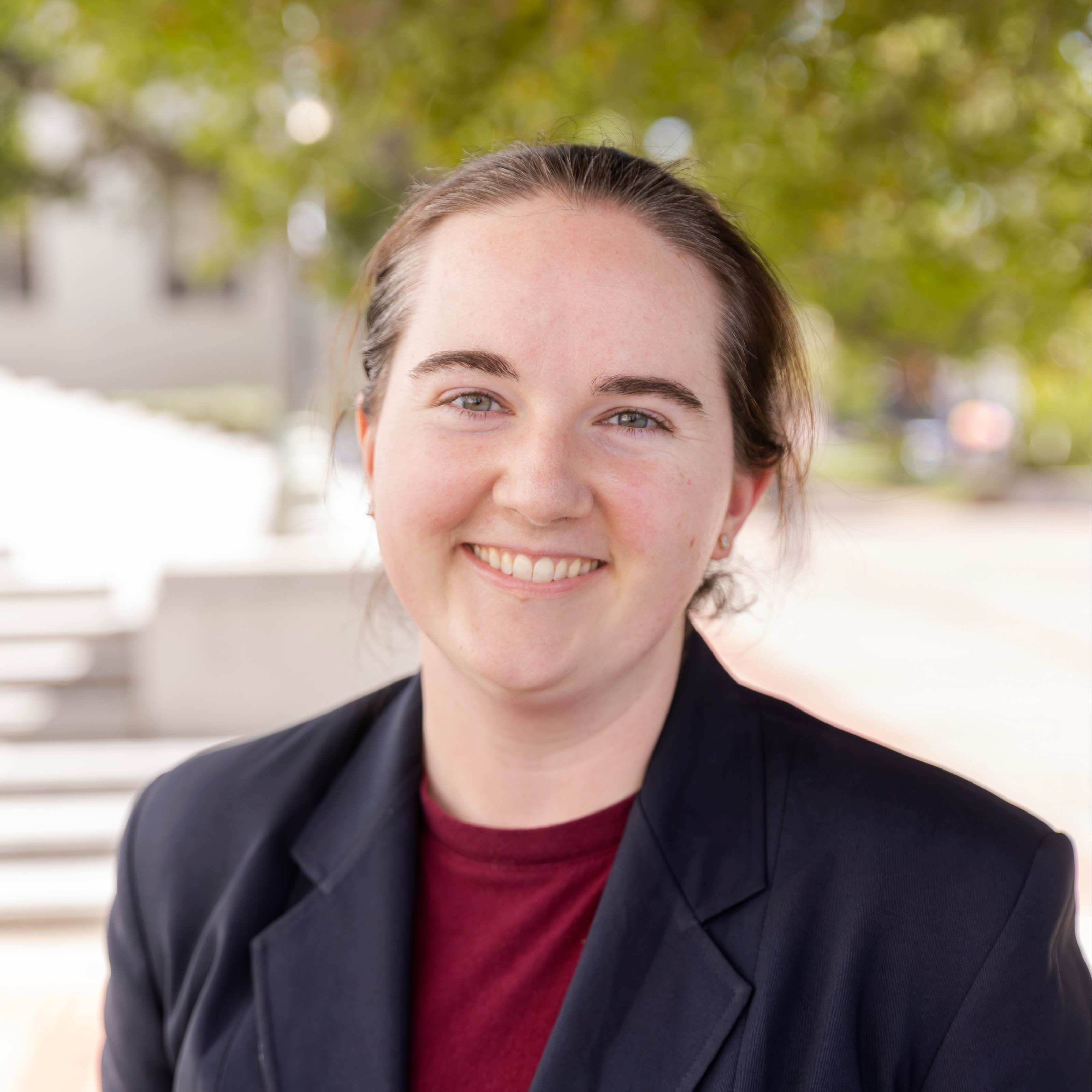
This project is led by Dr. Kaitlin Creamer (Postdoctoral researcher), advised by Professor Jill Banfield, Director of Microbiology at the Innovative Genomics Institute and Professor of Earth & Planetary Science and Environmental Science at UC Berkeley. Collaborators include Professor Whendee Silver and Dr. Tibisay Pérez, expert soil biogeochemists & greenhouse gas flux monitoring specialists in UC Berkeley's Environmental Science, Policy, & Management Department.
Kaitlin Creamer
I am an environmental microbiologist and bioinformatician who deciphers large genomic datasets to reveal the microbial “who” and “what” in dynamic ecosystems. I am passionate about translating our discoveries into tangible environmental solutions by collaborating with interdisciplinary teams that provide the context needed to interpret genomic data and tackle climate change.
Currently, I am a postdoctoral researcher in Professor Jill Banfield's lab at UC Berkeley’s Innovative Genomics Institute. I am leading a large, multi-year project focused on soil microbial ecology and carbon sequestration. Using big data– metagenomics– and large-scale field experiments, I work with amazing collaborators to capture vital snapshots of soil microbial communities and understand their functions. Previously, as a marine microbe explorer, I earned my Ph.D. from Scripps Institution of Oceanography, UC San Diego– where I helped discover novel compounds in ocean sediment bacteria, including signaling molecules and antibiotics, and developed tools to study the evolution of microbial biosynthetic machinery responsible for these compounds.
Project Backers
- 0Backers
- 0%Funded
- $0Total Donations
- $0Average Donation