About This Project
An open-source system for biomass feedstock pre-processing to enable carbon removal and valorization
Ask the Scientists
Join The DiscussionMotivating Factor
It is widely acknowledged that at least 5-10B tonnes of atmospheric carbon dioxide removal (CDR) is needed by 2050 to keep warming below 1.5-2C. Non-biomass pathways such as DAC and ERW face significant scaling constraints due to land use, energy, and raw materials which limit them to <4Gt even under extremely optimistic assumptions. Waste biomass approaches can operate with little to no energy input, minimal land use, and few other constraints. It is critical that we improve our utilization of this vast untapped resource (10B t CDR potential p.a.) to meet our climate and carbon removal goals. This is particularly true if, as seems likely, decarbonization efforts are slower than previously forecasted. Today, the vast majority of biomass waste is landfilled or incinerated each year, wasting resources and leading to pollution and contamination instead. However working with waste feedstocks presents challenges that have slowed development thus far.
Specific Bottleneck
A key limitation in working with waste biomass feedstocks is that it is extremely variable and heterogeneous, making it difficult to develop broadly applicable, scalable processes. Feedstocks range from crop residues to municipal waste to sewage sludge, varying in moisture content, COD, salinity, pH, and other critical factors. Composition can also vary across time and geography. High transportation costs (in both dollars and emissions) make it difficult to consolidate “similar” feedstocks for processing. Instead, we need to develop processes which can ingest geographically colocated feedstocks (regardless of composition) for biomass valorization to scale. To date, most carbon removal approaches have focused on working with dry, heterogeneous, lignocellulosic feedstocks (e.g. corn stover or sugarcane bagasse) to mitigate this problem; however, this significantly limits scaling potential. Waste-to-energy processes have been similarly limited by feedstock variability.
Actionable Goals
A broadly applicable system for triaging, blending and pre-treating feedstocks, bringing key parameters within pre-defined acceptable ranges, would vastly improve viability of biomass-based approaches to carbon removal, unlocking greater scale potential. This requires first understanding how different feedstock parameters affect viability and performance for different processing methods (much of which is available in the literature), to identify a nominal composition for different processes. Next, development of a standardized, rapid and cost-efficient testing approach is needed to test potential feedstocks against these parameters in situ. These are key given 1) the dearth of public data on feedstock composition 2) the need for rapid assessment and pre-processing of feedstock required to enable large scale facilities. This would ideally be integrated with a low-cost treatment system capable of grinding, dosing, or otherwise treating the feedstock to bring it within an acceptable range
Budget
Details in solution statement
Meet the Team
Team Bio
Our team brings a unique combination of expertise across wastewater and atmospheric carbon removal. Dr. Daniel Murray, is an experienced entrepreneur with expertise in commercializing lab-scale innovations. His previous company, I-PHYC, used algae to remove pollutants from wastewater. Megha Raghavan is a leader in the carbon removal sector. She has led efforts including Carbon Removals @COP, and acted as an expert advisor on CDR to the Rocky Mountain Institute, CarbonGap, and others.
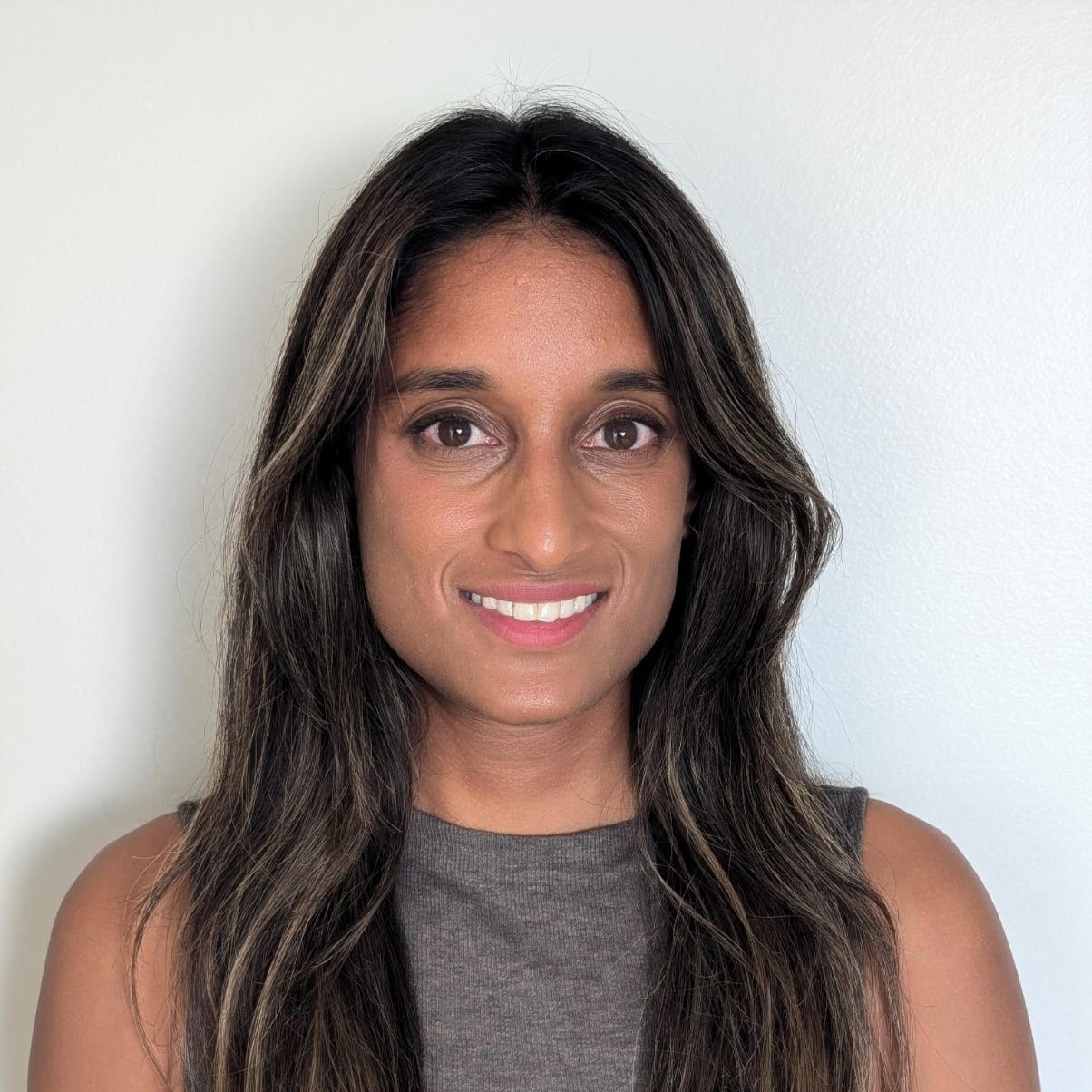
Megha Raghavan
Megha is a respected authority in the CDR space including as co-founder and former host of the highly regarded “This is CDR” podcast. Megha led on work for carbon removals at COP27/28. She holds a double degree in economics and molecular & cell biology from UC Berkeley and brings over ten years of commercial strategy experience. In 2021 she became one of the early advocates for carbon dioxide removal as a solution to the global climate crisis. Following this she founded her own independent advisory firm focusing on CDR, and led on a range of work for RMI, Carbon Gap and others in the space. Through her work she has become intimately familiar with the gaps, pitfalls, and opportunities in the CDR space, and joined Dan in late 2023 to develop Kairos’s novel approach which tackles these issues directly.
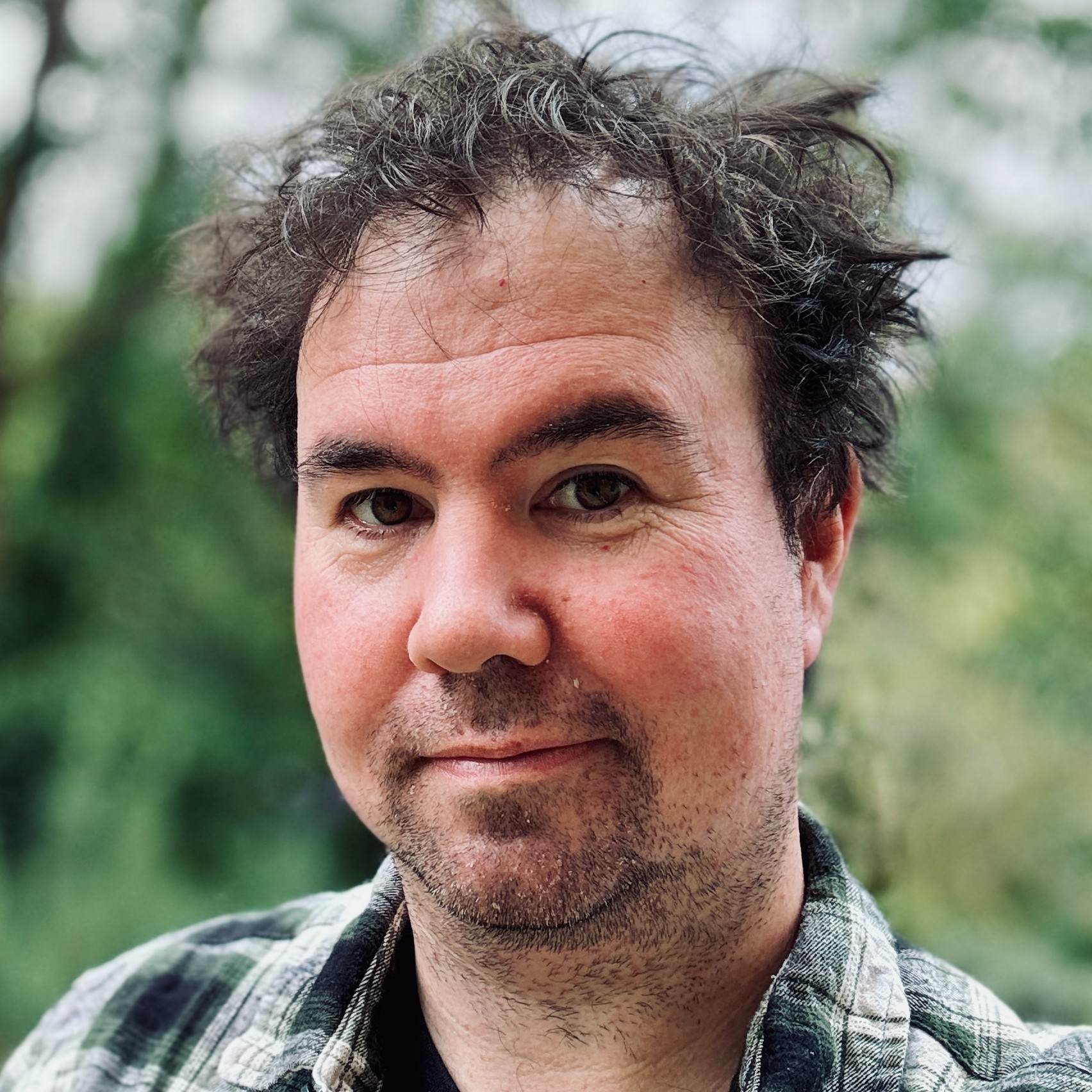
Daniel Murray
Dr. Daniel Murray is an award-winning multidisciplinary scientist and entrepreneur with more than 10 years experience developing deep tech. His early work and first company (I-PHYC) used microalgae as a tool for chemical-free treatment of wastewater. I-PHYC leverages algae’s ability to remove a range of pollutants, with the excess biomass used as a potential feedstock for a range of uses from fertilisers and fuels to specific chemicals. Dr. Murray’s experience within the wastewater sector has helped Kairos to rapidly identify pain points in the sector, engage with potential customers, and screen potential partners for our first commercial deployment. With experience in bringing technology from academic labs to industry, Dan is well placed to bring our novel technology to delivering commercial scale.
https://www.linkedin.com/in/da...
Project Backers
- 0Backers
- 0%Funded
- $0Total Donations
- $0Average Donation