About This Project
A fulfilling life and an academic research career demand social support.
We are a diverse group of early career researchers who believe that collaboration, not competition, produces impactful research.
We are passionate about understanding how social support relationships can buffer stressors to improve health. We are exploring variations of this research theme in the context of critical public health issues including cardiometabolic disease, cognitive decline and sleep deprivation.
Ask the Scientists
Join The DiscussionWhat is the context of this research?
Life is stressful, particularly during the years of midlife. Middle age adults are often sandwiched between many competing stressors, including work, health, and care-giving.
Our first project focuses on caregiving. Many caregivers are women who provide support to both aging parents and their own children. Prior work indicates that caregiver stress burden puts caregivers at higher risk of poor psychosocial wellbeing. However, few studies focus on the specific role that caregiving stress plays in cardiometabolic disease cognitive decline. Fewer studies have investigated the moderating effects of perceived purpose and social support on the health risks of caregiving stress.
What is the significance of this project?
According to the CDC, the number of Americans aged 65 and older is
projected to increase from 58 million in 2022 to 82 million by 2050.
While prolonged lifespan is evidence of healthcare advances, caregiver
support is crucial to facilitate successful and purposeful ageing.
Unpaid caregivers are a critical force within the healthcare system.
Adult, middle-aged children comprise the majority of unpaid caregivers
and are often best equipped to meet the individualized needs of their
care recipients. Demand for elder care is expected to increase sharply
with a rise in the number of Americans living with dementia. Currently,
there are 7 potential family caregivers per older adult. The CDC
estimates that, by 2030, there will be only 4 potential family
caregivers per older adult.
What are the goals of the project?
Our current projects focus on identifying how psychosocial wellbeing and social support promotes resilience to stressors such as caregiving and poor sleep quality. We use secondary data analysis with data from the Midlife in the United States Survey (MIDUS) which includes biomarkers, survey and neuroimaging data sets. We will compare this data to the Milwaukie MIDUS sample which comprised only African American participants. We will use both cross-sectional and longitudinal analysis to determine the moderating effects of social support and perceived life purpose on cardiometabolic risk, sleep quality and cognitive decline. We will report our findings in three publications.
Budget
We aim to publish three manuscripts investigating the role of social support and life purpose in buffering stressors. We are using secondary analysis to publish three manuscripts. The first is focused on the the gendered cardiometabolic disease risks of family care giving. The second is focused on the relationship between psychosocial wellbeing sleep quality and cardiometabolic disease. The third will focus on the sex-specific role of social support in the relationship between diabetes and cognitive dysfunction. We have already submitted the first publication to the Gerontologist. We are currently running drafting the second and third publications.
We need to share our work at regional, national and international conferences. However, as academics, we have no funding for extra projects. We aim to raise funds to send members and lead authors to two conferences per year without personal financial burden.
 Project Timeline
We have already submitted our first manuscript to the Gerontologist and will be submitting our second publication on the relationship between multidimensional sleep quality, social support and cardiometabolic disease.
Oct 05, 2024
Present at Society For Neuroscience Conference
Nov 19, 2024
Present at ClinStar Annual Meeting
Meet the Team

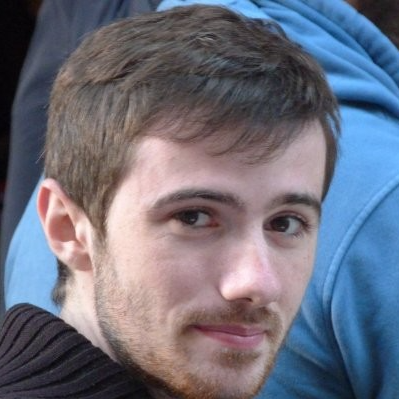

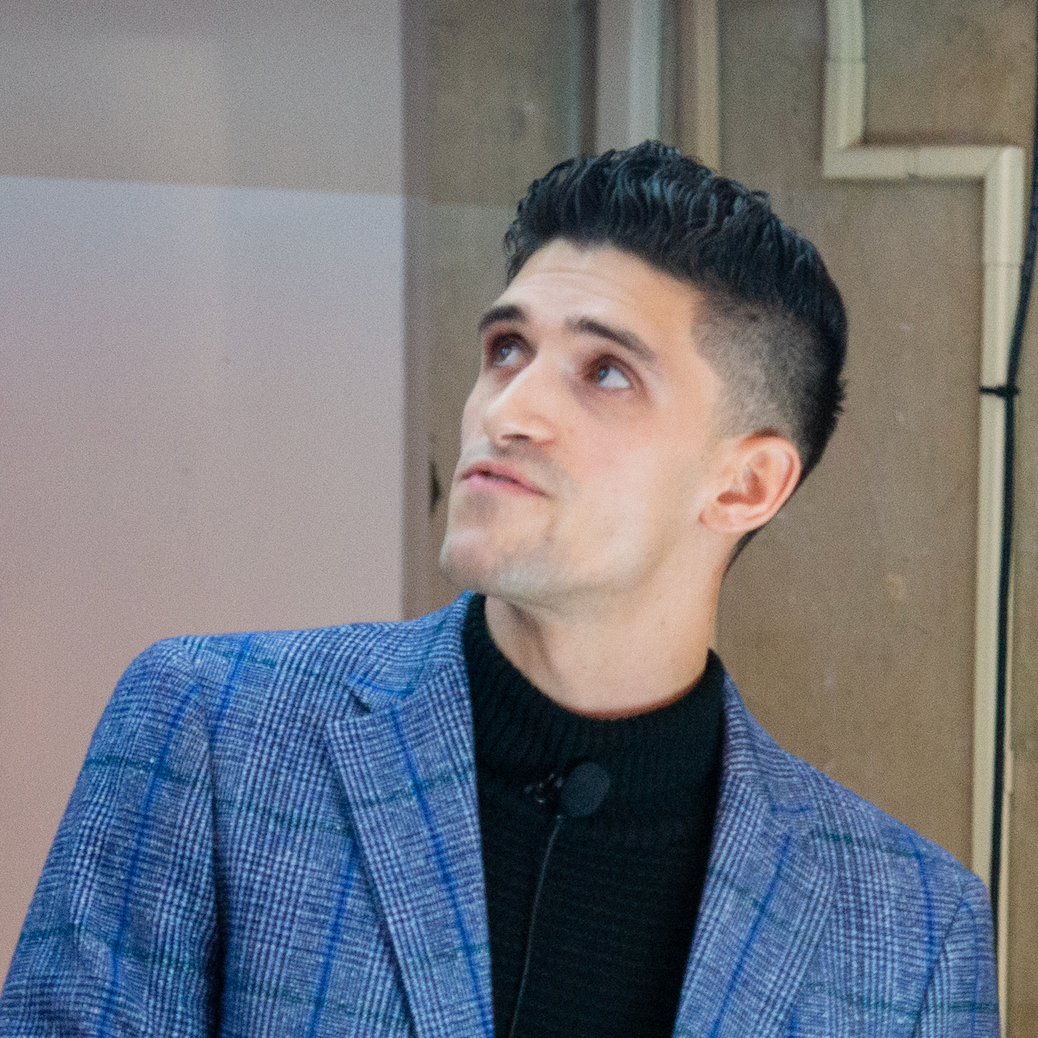



Hannah
Hannah Lamont is a PhD Candidate in Neuroscience at Rutgers University. She independently managed her undergraduate education while working as a freelance harpist and caring for her 92-year-old grandmother living at the family home. This caregiving role ignited her passion for improving the aging experience. Her interest in mind-body health interventions and biopsychosocial wellness spurred her to pursue graduate work at D’Youville College where she graduated summa cum laude with a chiropractic degree, an M.Sci. degree, and a clinical research certificate. Hannah’s doctoral research focuses on the neural mechanism underlying the relationship between social isolation and glucose homeostasis. Hannah’s long-term goal is to expand on this work to study how social connectivity and specific social relationships might mitigate age-related cognitive decline.
Adrien Fillon
Please fill
Joshua Gills
Please fill
Giada Benasi
Giada is a research scientist with a Ph.D. in Psychology from the University of Bologna, Italy. Her doctoral research primarily focused on the impact of psychological well-being interventions on health behaviors among individuals with type 2 diabetes, obesity, and sleep disturbances. Following her Ph.D., she completed a three-year postdoctoral research fellowship at Columbia University, where she received advanced training in the assessment of sleep and cardiometabolic health.
She is dedicated to exploring the psychosocial influences on health, with the goal of developing effective behavioral interventions that enhance both psychological and physiological health outcomes for individuals with chronic medical conditions. Her work is characterized by a strong interdisciplinary approach, integrating insights from psychology, medicine, and public health to address complex health issues.
Through her innovative research and evidence-based practices, she strives to improve the quality of life for those living with chronic illnesses, making significant contributions to the field of health psychology.
Hunter Lanovoi
Hunter Lanovoi is a Ph.D. Candidate at Rutgers University. His dissertation work defines the role that oxytocinergic neuromodulation in the central nucleus of amygdala plays in the changes in social decision-making observed during sickness. His work has found that, in mice, social decision-making during sickness depend on social rank and sex and that responses from oxytocin receptor expressing neurons in the central amygdala signal salient conspecifics. In tandem Hunter is actively engaged in science policy, having served as the former president of the Science Policy and Advocacy group at Rutgers (SPAR). Hunter holds a Bachelor of Arts (A.B.) in Biochemistry and Molecular Biology from Rollins College.
Biswaranjan Sahoo
Biswa is a postdoc at Rutgers University. During his Masters, he got exposure to neuroscience research through an internship at All India Institute of Medical Sciences (AIIMS), New Delhi. He became fascinated by the functioning of the marvelous brain specifically the neural mechanism of learning and memory. This motivated him to pursue his doctoral studies on the role of protein tyrosine sulfation in long-term memory and long-term potentiation in the Learning and Memory lab at National Brain Research Centre. He is currently working on the neural mechanism for social thermoregulation.His long-term research plan is to study the role of physical exercises on brain health and congitive functions like learning and memory, the effects of Yoga on mind-body connections.
Teesta Naskar
https://teestanaskar.github.io...
Teesta is a post doctoral scientist at Mount Sinai hospital, New York. Her research focuses on how early environmental exposures shape brain development, particularly in relation to neuropsychiatric disorders and behavioral outcomes. She is dedicated to uncovering the mechanisms by which environmental factors during critical periods contribute to the onset and progression of these conditions.
In her academic and research career, she studied the interaction between genetic predispositions and environmental influences on brain function. Her doctoral research explored the impact of specific gene clusters on cognitive skills, revealing how genetic variations affect neural connectivity.
Currently, in postdoctoral work, she is investigating how prenatal and early postnatal exposures, such as prenatal cannabinoid exposure, influence brain development and behavior. This research has shown significant effects on placental transcriptomics and proteomics, and their subsequent impact on offspring.
In the future, she aims to establish herself as an independent neuroscientist, spearheading research that links early environmental exposures to long-term neuropsychiatric health. Her goal is to prevent and treat neuropsychiatric disorders by fostering collaborations and developing strategies grounded in an understanding of their environmental and developmental origins.
Lab Notes
Nothing posted yet.
Project Backers
- 0Backers
- 0%Funded
- $0Total Donations
- $0Average Donation