


Please wait...
About This Project
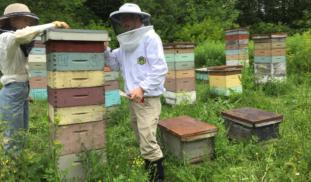
Crop pollination by migratory beekeeping operations presents a highly concentrated convergence of bees where diseases may be transmitted and spread as hives are transported throughout the US. To test if migratory operations contribute to the spread of disease, we propose an experiment where we subject hives to almond pollination in California and compare their disease loads to stationary hives in N. Carolina. Upon the return of the migratory hives, we will measure subsequent disease spread.

Browse Other Projects on Experiment
Related Projects
Satellite tracking the secret lives of vulnerable juvenile Loggerhead sea turtles off Morocco’s Coast
This pioneer project marks the first time in Morocco's history for satellite transmitters deployed on sea...
Out for blood: Hemoparasites in white-tailed deer from the Shenandoah Valley in Northern Virginia
Our research question centers about the prevalence and diversity of hemoparasites that infect ungulate poplulations...
Using eDNA to examine protected California species in streams at Hastings Reserve
Hastings Reserve is home to three streams that provide critical habitat for sensitive native species. Through...
