
Aug 23, 2018
188
1
2
References
- 1. Stewart, J., Townsend, F., Lane, S., Dyar, E., Hohn, A., Rowles, T., … Schwacke, L. (2014). Survey of antibiotic-resistant bacteria isolated from bottlenose dolphins Tursiops truncatus in the southeastern USA. Diseases of Aquatic Organisms, 108(2), 91–102. doi:10.3354/dao02705
- 2. Bell, B. G., Schellevis, F., Stobberingh, E., Goossens, H., & Pringle, M. (2014). A systematic review and meta-analysis of the effects of antibiotic consumption on antibiotic resistance. BMC Infectious Diseases, 14(1). doi:10.1186/1471-2334-14-13
- 3. Kathi, S. (2017). Antibiotic Resistance Gene Due to Manure Application. Antibiotics and Antibiotics Resistance Genes in Soils, 141–150. doi:10.1007/978-3-319-66260-2_8

 Brad and Janie like this.
 Please wait...
About This Project
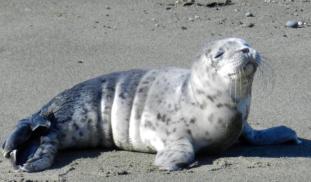
Antibiotic resistance, a global concern, is a significant health issue of animals and humans. Resistant bacteria, a growing presence in marine life, are derived from land via humans, animals, and agriculture. This is particularly troubling. Are resistant bacteria present in marine mammals of an urban ecosystem, the Salish Sea, in Washington State? We will sample dead locally stranded harbor seals and porpoises to detect resistant bacteria and their possible linkages to land sources.

Browse Other Projects on Experiment
Related Projects
CaniSense– AI-powered blood test for early cancer detection in dogs
Cancer is the top killer of dogs, yet no reliable early screening exists. We develop liquid-biopsy blood...
Shutting down cancer’s recycling system with exosome-based therapy
Pancreatic cancer is one of the deadliest cancers because its cells survive by recycling their own components...
Developing a novel oxysterol antibiotic to combat drug-resistant tuberculosis
Drug-resistant tuberculosis (TB) is a consistently growing threat to global health. We have developed Oxy291...
