

Please wait...
About This Project
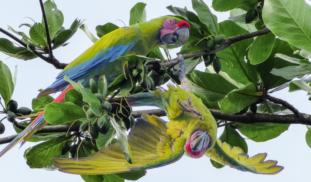
DNA to the rescue: A first genetic approach for the conservation of the endangered great green macaw
The beautiful, yet endangered, great green macaw faces the loss of its habitat and the illegal pet trade. The small remnant population in Costa Rica, c.300 individuals, has not been assessed for any genetic problems. Feathers and feces will serve as DNA source to analyze the macaw’s genetic status in the country for the first time. The generated information is expected to strengthen current, and design new, conservation and management actions aimed to better protect the species.
More Lab Notes From This Project

Browse Other Projects on Experiment
Related Projects
Satellite tracking the secret lives of vulnerable juvenile Loggerhead sea turtles off Morocco’s Coast
This pioneer project marks the first time in Morocco's history for satellite transmitters deployed on sea...
Out for blood: Hemoparasites in white-tailed deer from the Shenandoah Valley in Northern Virginia
Our research question centers about the prevalence and diversity of hemoparasites that infect ungulate poplulations...
Cyanova: A modular, budget photobioreactor for the efficient cultivation of microalgae
Microalgae are overlooked constantly as a protein source because of it's high costs and complex maintenance...
