
May 24, 2017
113
0
1
References
- 1. Zettler, E. R., Mincer, T. J., & Amaral-Zettler, L. A. (2013). Life in the “Plastisphere”: Microbial Communities on Plastic Marine Debris. Environmental Science & Technology, 130619162220002. doi:10.1021/es401288x
- 2. Carson, H. S., Nerheim, M. S., Carroll, K. A., & Eriksen, M. (2013). The plastic-associated microorganisms of the North Pacific Gyre. Marine Pollution Bulletin, 75(1-2), 126–132. doi:10.1016/j.marpolbul.2013.07.054
- 3. Reisser, J., Shaw, J., Hallegraeff, G., Proietti, M., Barnes, D. K. A., Thums, M., … Pattiaratchi, C. (2014). Millimeter-Sized Marine Plastics: A New Pelagic Habitat for Microorganisms and Invertebrates. PLoS ONE, 9(6), e100289. doi:10.1371/journal.pone.0100289
 Joelle like this.
 Please wait...
About This Project
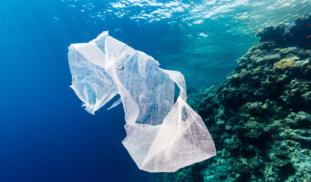
While many studies have focused on the visible impact of ocean plastic, we know much less about the impact of microbes that choose plastic as their home, forming the so-called plastisphere. The goal of my project is to evaluate the microbial diversity on floating plastic such as retail plastic bags in coastal waters and its potential impact on humans living on coastal areas. The project uses metagenomic next generation sequencing and standard microbiology techniques.
More Lab Notes From This Project

Browse Other Projects on Experiment
Related Projects
Satellite tracking the secret lives of vulnerable juvenile Loggerhead sea turtles off Morocco’s Coast
This pioneer project marks the first time in Morocco's history for satellite transmitters deployed on sea...
Out for blood: Hemoparasites in white-tailed deer from the Shenandoah Valley in Northern Virginia
Our research question centers about the prevalence and diversity of hemoparasites that infect ungulate poplulations...
Using eDNA to examine protected California species in streams at Hastings Reserve
Hastings Reserve is home to three streams that provide critical habitat for sensitive native species. Through...
