
Jun 13, 2019
166
0
2
References
- 1. Zarnke RL. 1983. Serologic survey for selected microbial pathogens in Alaskan wildlife. J. Wildl. Dis. 19:324-329
- 2. Zarnke RL. 2000. Alaska wildlife serologic survey, 1975-2000. Alaska Department of Fish and Game. Federal Aid in Wildlife Restoration. Research Final Report. Grans W-24-5 and W- 27-1 through W-27-4. Study 18.71. Juneau, Alaska. p 17.

 Jason P Schein and John R Alderfer like this.
 Please wait...
About This Project
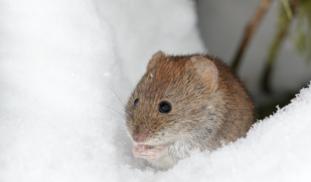
Leptospirosis is a disease that can be transmitted from animals to humans and is caused by bacteria called leptospires. Leptospires are capable of infecting most mammals, and rodents are a common reservoir. We would like to look for these bacteria in Alaskan rodents. Knowing the status of leptospirosis in Alaskan rodents will allow us to better understand the dynamics of this disease in the north, and to prepare for changes in the transmission of this disease that may occur with climate change.

Browse Other Projects on Experiment
Related Projects
Satellite tracking the secret lives of vulnerable juvenile Loggerhead sea turtles off Morocco’s Coast
This pioneer project marks the first time in Morocco's history for satellite transmitters deployed on sea...
Out for blood: Hemoparasites in white-tailed deer from the Shenandoah Valley in Northern Virginia
Our research question centers about the prevalence and diversity of hemoparasites that infect ungulate poplulations...
Cyanova: A modular, budget photobioreactor for the efficient cultivation of microalgae
Microalgae are overlooked constantly as a protein source because of it's high costs and complex maintenance...
